

2025/09/04
What Is Wabi-Sabi? A Japanese Philosophy of Imperfect Beauty
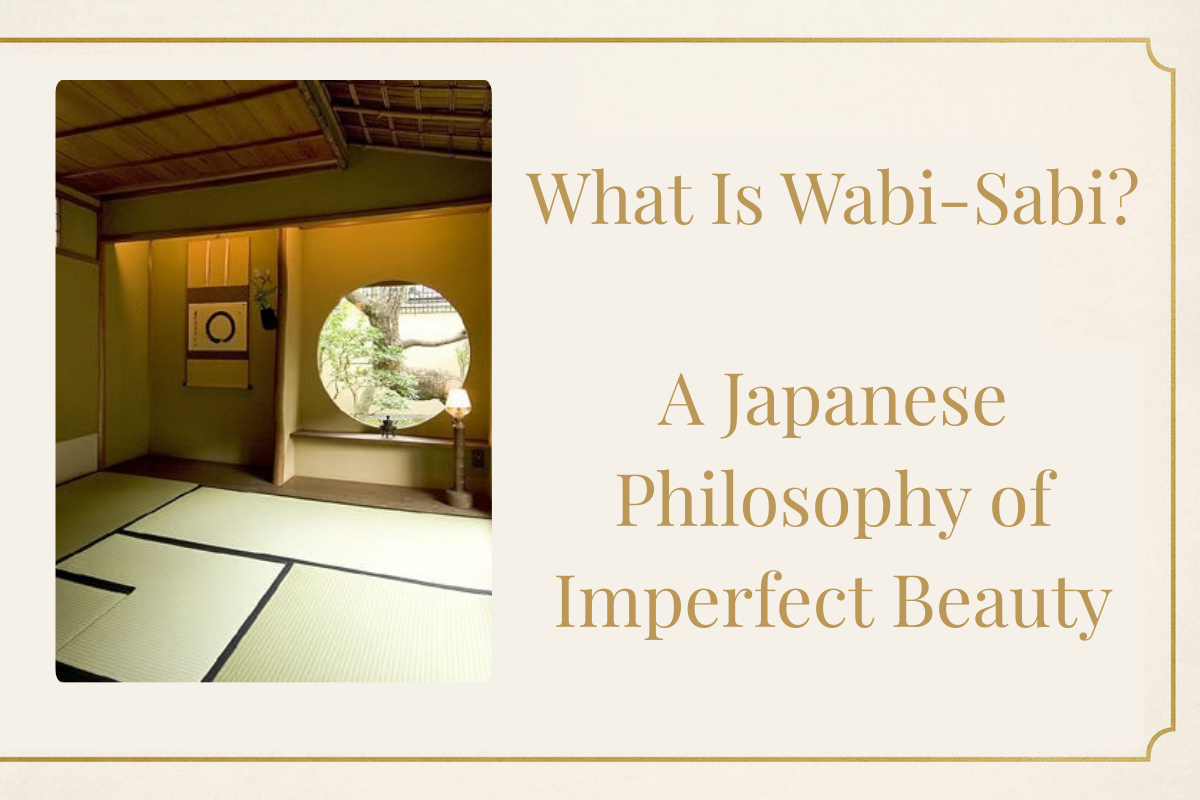
In a world obsessed with perfection and speed, the Japanese philosophy of wabi-sabi offers a gentle, grounding alternative — an invitation to slow down, notice the quiet details, and find beauty in what’s imperfect, impermanent, and incomplete.
Wabi-sabi is more than an aesthetic. It’s a way of seeing the world, and a way of living that honors subtlety, humility, and nature’s quiet cycles. Rooted in Zen Buddhism and centuries of Japanese art and culture, wabi-sabi encourages us to appreciate the simple, the weathered, the modest — things that speak to time and authenticity.
🪷 Wabi: The Beauty of Simplicity
“Wabi” refers to the quiet elegance of simplicity and restraint. It is the beauty found in a handmade ceramic cup, a single wildflower in a room, or a silent tea ceremony. Wabi invites us to let go of excess and embrace stillness — not out of scarcity, but from a deep sense of clarity and contentment.
It is in wabi that we find peace in solitude, space in emptiness, and freedom in limitation.
🌿 Sabi: The Beauty of Time
“Sabi” celebrates the marks of age and use — the cracks in a bowl, the rust on an old gate, the fading of colors over time. It reminds us that everything changes, and that there is dignity in aging, in wear, and in the passing seasons.
While modern culture may fear wrinkles or flaws, sabi sees them as proof of a life lived — each imperfection, a story worth cherishing.
Together, wabi and sabi form a lens through which we can rediscover the richness of everyday life. It’s not about doing more, owning more, or being more. It’s about noticing more — and realizing that what we already have may be enough.
In the following sections, I’ll share how this philosophy changed the way I move through life — starting with one of the most meaningful experiences: a traditional Japanese tea ceremony.